
Dental Health
Back-to-School Dental Checkup Timing: How to Plan Around Fall Sports
By Dr. Nathan "Nachi" Gobioff, DMD · August 28, 2026 · 14 min read
Time your child's back-to-school dental checkup before fall sports begin. Learn what we screen for, when to get a mouthguard, and NJ school health rules.
Introduction
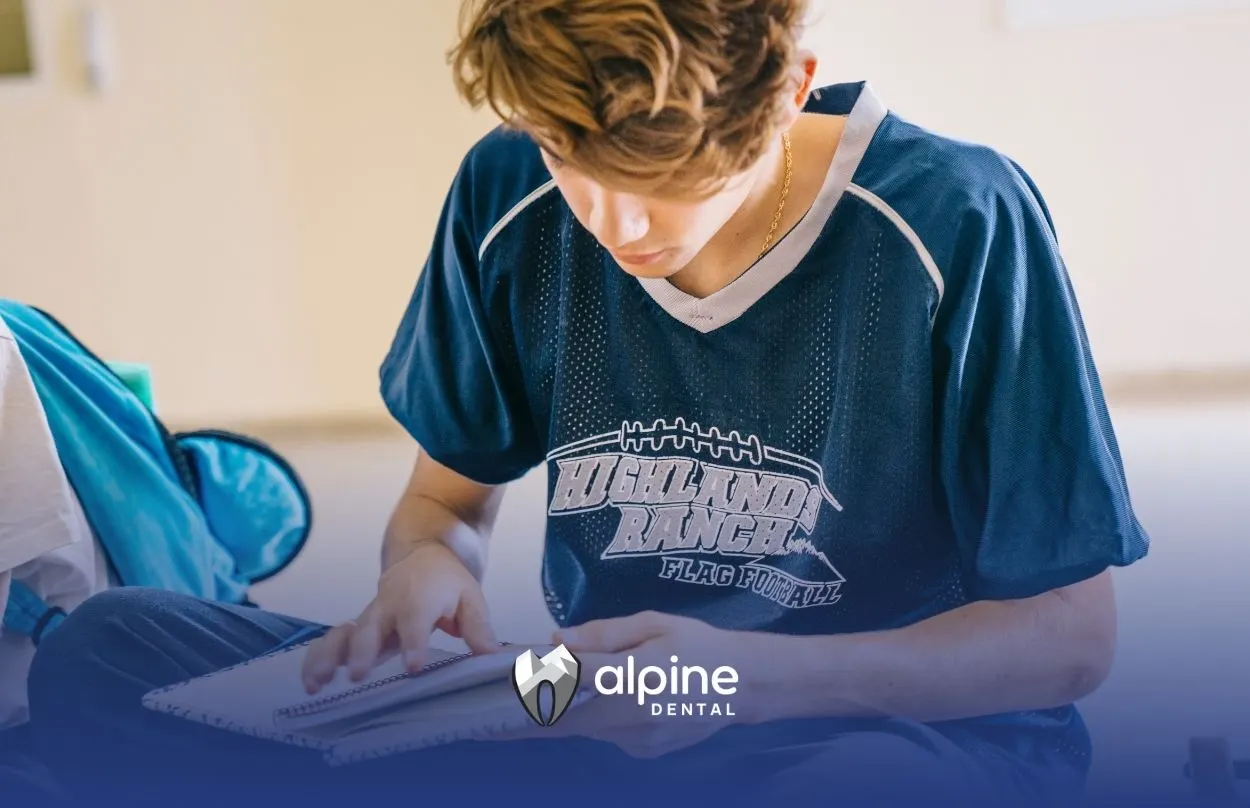
Every August, the same thing happens in our offices. Parents call looking for a back-to-school dental checkup, and the first available appointments are already three weeks out. Meanwhile, football conditioning has started, field hockey tryouts are on the calendar, and nobody has thought about a mouthguard yet.
It is an easy thing to let slide. Physicals, forms, immunization records, school supplies, and bus schedules all have hard deadlines attached to them. A dental visit does not. But for a child who plays a fall sport, the dental checkup is arguably the most time-sensitive item on that list, because it is the only one that both catches problems and prevents new ones.
Here is how to time it properly, what a sports-season exam actually looks for, and why the mouthguard conversation belongs in July rather than October.
Why the Back-to-School Dental Checkup Deserves Its Own Spot on Your Calendar
Most families think of the back-to-school dental checkup as a box to tick. In practice, it does something the school health system is not set up to do.
What New Jersey Schools Screen For, and What They Do Not
New Jersey school districts are required to conduct a specific set of health screenings. Under N.J.A.C. 6A:16-2.2, districts screen students for height, weight, and blood pressure annually, visual acuity biennially through grade 10, auditory acuity at set grade levels, and scoliosis biennially for students between 10 and 18. Student-athletes also need a completed Preparticipation Physical Evaluation before they can practice or compete in interscholastic athletics.
Notice what is missing from that list. There is no mandated dental examination. A school nurse may notice visible swelling or a child holding their jaw, and many districts do offer dental screenings as a supplemental service, but a screening is not an exam. Nobody at the school is taking bitewing X-rays or checking for a hairline crack in a molar.
That gap matters more for athletes than for anyone else, because sport puts force through the exact structures nobody has looked at.
The September Rush Is Real
Fall sports practices in New Jersey typically open in mid-to-late August, which means physicals, paperwork, and parent panic all compress into a two-week window. Dental offices feel the second wave in September, once school starts and the first "my tooth hurts when I chew" complaints surface.
What we see every year is a bottleneck that costs families flexibility. A parent who calls in July can pick a Tuesday morning before camp. A parent who calls the week before Labor Day is choosing between whatever two slots remain, and if the exam turns up something that needs a follow-up visit, that second appointment lands mid-season. We have had families end up scheduling restorative work during the week of a playoff game, purely because the initial exam happened too late.
The Best Time to Book a Back-to-School Dental Checkup
Late June Through Early August Is the Sweet Spot
Aim for six to eight weeks before the first practice.
That window does three things at once:
- It leaves room for a second visit if the exam finds a cavity, a cracked filling, or an erupting molar that needs monitoring.
- It allows time to take mouthguard impressions and have a custom guard fabricated and fitted before equipment checks.
- It keeps any treatment away from the season itself, so your child is not sitting out practice for a procedure.
If your child had a checkup in the spring, you do not necessarily need a full exam again. But a brief pre-season visit is still worth it, especially for a teenager whose molars are still erupting or who has orthodontic appliances.
If You Are Already Into August or September
Do not skip it. A late checkup is far better than no checkup. Call and be specific: say your child plays a fall sport and you need a pre-season exam and a mouthguard. That framing helps the front desk triage properly, and many practices, including ours, will work an athlete in ahead of a routine adult cleaning when the timing is genuinely tight.
If something urgent turns up, same-day dentistry can often compress what would have been two or three visits into one, which is exactly what you want when the season has already started.
What a Sports-Season Dental Checkup Screens For
A pre-season exam is not the same as a routine cleaning with a quick look around. When we know a child is heading into a contact sport, we look at the mouth as a structure that is about to absorb impact.
Cracks, Chips, and Weak Spots That Break Under Force
A tooth with an old, large filling has less remaining natural structure than it looks like from the outside. Under a normal chewing load, it is fine. Under an elbow to the face or a fall onto turf, it is a fracture waiting to happen.
We check the margins of existing restorations, look for craze lines and incomplete cracks, and flag teeth where the remaining wall thickness is marginal. Sometimes the recommendation is simply to keep an eye on it. Sometimes it is worth replacing a failing filling before the season rather than dealing with a broken or chipped tooth in the middle of October.
A pattern we see repeatedly: a teenager comes in during the season with a fractured cusp, and the X-rays from their exam eight months earlier already showed a compromised tooth. The impact did not create the weakness. It found it.
Cavities That Turn Into Mid-Season Emergencies
Early decay is silent. It becomes loud at the worst possible time, usually after a long day of practice, dehydration, and sports drinks.
Sports drinks deserve their own mention here. They are acidic and sugary, and athletes sip them slowly over hours, which is the worst possible exposure pattern for enamel. A child who drank very little between meals in June may be bathing their teeth in sugar for two hours a day by September. If your child is on a fall team, that is worth raising at the exam so we can talk about fluoride, sealants, and rinsing with water between sips.
Catching decay early usually means a small filling. Catching it late can mean root canal treatment and a crown, plus missed practices.
Wisdom Teeth and Erupting Molars in Teen Athletes
For high schoolers, the pre-season exam is often the moment we first see wisdom teeth beginning to develop or angle poorly. Partially erupted third molars can trap food and become inflamed, and a swollen, painful area of gum tissue is miserable to play through, especially with a mouthguard in.
Knowing where those teeth are heading lets you plan any extraction for a break between seasons rather than an emergency in November.
Braces, Appliances, and Contact Sports
Orthodontics changes the picture significantly. Brackets and wires turn a lip laceration from a minor injury into a serious one, and a standard boil-and-bite guard often does not fit properly over appliances.
Athletes in braces need a guard designed for orthodontic wear. It is also worth coordinating with your orthodontist, since adjustments can change the fit.
Mouthguards: Why Impressions Belong Before Tryouts
This is the single most common timing mistake we see. Families treat the mouthguard as equipment, something to grab at a sporting goods store the weekend before the first game. It is closer to a medical device, and getting it right takes lead time.
Which Fall Sports Require a Mouthguard in New Jersey
New Jersey high school athletics follow National Federation of State High School Associations (NFHS) rules. NFHS currently mandates mouthguards in football, field hockey, ice hockey, lacrosse, and wrestling for wrestlers wearing braces. For a fall season, that means football, field hockey, and any lacrosse programs running in the fall are covered by a rule.
Soccer, basketball, baseball, and volleyball carry no such mandate, which is not the same as carrying no risk. The NFHS Sports Medicine Advisory Committee recommends a properly fitted mouthguard for any sport with potential for oral-facial injury from body or equipment contact, and the American Dental Association makes a similar recommendation for activities with significant risk of dental trauma.
The injury data supports paying attention here. The American Academy of Pediatric Dentistry, citing The National High School Sports-Related Injury Surveillance Study data, reports that of 619,714 injuries recorded during competition in the 2020-2021 school year, 117,820, or roughly 19 percent, involved the head or face. The AAPD also notes that in most reported dental injuries, the athlete was not wearing a mouthguard.
Custom-Fitted Versus Boil-and-Bite
Stock and boil-and-bite guards are inexpensive and available anywhere, and a guard that gets worn beats a perfect guard sitting in a locker. That is a real consideration.
But fit drives compliance. Guards that are bulky, that shift, or that make breathing and talking difficult end up chewed through, pushed to the side of the mouth, or left at home. A custom guard taken from impressions of your child's actual arch is thinner where it can be, thicker where it needs to be, and stays put.
Practically speaking: budget one visit for impressions and one short visit to fit and adjust, with fabrication time in between. Start in July, and none of that is stressful. Start the week of tryouts, and it is.
Growing Mouths Need Re-Checks
A guard made two seasons ago may no longer fit. Kids lose teeth, gain molars, finish orthodontic treatment, and simply grow. Bring last year's guard to the checkup so we can look at it rather than guessing. If it has been chewed thin at the back or no longer seats fully, it is not doing its job.
What to Do When a Dental Emergency Happens Mid-Season
Even with good preparation, accidents happen. Knowing the first five minutes makes an enormous difference.
A Knocked-Out Permanent Tooth
This is a true emergency, and the clock starts immediately.
Handle the tooth by the crown only, never the root. Do not scrub it, dry it, or wrap it in a tissue. If it can be done safely, gently place it back into the socket and have your child bite on clean gauze to hold it. If replanting is not possible, keep it moist in milk, in saliva, or in a tooth preservation kit. The American Association of Endodontists specifically advises against storing a tooth in tap water for any length of time, because root surface cells do not tolerate it, and recommends being seen within 30 minutes when possible. Teeth have been saved after longer intervals, so go regardless of how much time has passed.
Important distinction: a knocked-out baby tooth should not be replanted, as this risks damaging the developing permanent tooth underneath. Bring your child in, but leave the tooth out.
Call our dental emergency line on the way, not after you arrive. That call lets us prepare a room and have the right instruments ready before you walk in.
A Chipped or Broken Tooth
Rinse the mouth with warm water, apply a cold compress to the outside of the face, and save any fragments in milk or saline if you can find them. Even a small chip should be examined, because the visible damage is often not the whole story and a fracture can extend below the gum line.
Depending on the extent, treatment might be bonding, a crown, or, in cosmetic cases, porcelain veneers once growth is complete. For a tooth that cannot be saved, dental implants are typically deferred until jaw growth has finished, with an interim restoration in the meantime.
Build a Dental Emergency Plan Before Week One
Before the season starts, do three small things:
- Save your dental office's number in your phone and your child's coach's phone.
- Put a small container and a sealed bottle of milk or saline in the sports bag.
- Tell your child, in plain words, to find an adult immediately and not to rinse a knocked-out tooth under a water fountain.
The AAPD recommends that coaches and athletic administrators consult a dentist about managing injuries like avulsed teeth before a season begins. If you are a coach or athletic director in Lakewood or Jackson reading this, that conversation is worth having, and we are glad to have it.
A Simple Back-to-School Dental Timeline for New Jersey Families
- Late June to mid-July: Book the checkup. Ask for mouthguard impressions at the same visit.
- Late July: Complete any fillings or follow-up treatment. Fit and adjust the mouthguard.
- Early August: Confirm the guard still fits after any orthodontic adjustment. Pack the emergency kit.
- Mid-to-late August: Practices begin. Nothing dental left on your list.
- During the season: Watch for sensitivity when chewing, jaw soreness, or a guard that has become loose. Do not wait for the next scheduled cleaning.
Conclusion
A back-to-school dental checkup does more for a young athlete than any other single appointment on the summer calendar. New Jersey schools screen for a great deal, but not for dental health, which leaves the mouth as the one structure heading into contact sport without anyone having checked it. Booking six to eight weeks before the first practice gives you room to treat what the exam finds, to have a properly fitted mouthguard made rather than grabbed off a shelf, and to keep both of those things well clear of the season itself.
The mouthguard piece deserves particular attention. NFHS rules require one for football, field hockey, lacrosse, and wrestlers in braces, but the sports without a mandate are not without risk, and injury surveillance data consistently shows that athletes who sustain dental injuries usually were not wearing protection. Add a simple emergency plan, know the first five minutes of a knocked-out tooth, and you have covered nearly everything that realistically goes wrong.
The families who come in during July almost never call us in October.
Schedule Your Child's Back to School Dental Checkup
Alpine Dental proudly serves families in Lakewood, Jackson, Manchester, and the surrounding Ocean County communities with comprehensive family dentistry, custom sports mouthguards, and prompt emergency care when the unexpected happens.
Do not wait for the September rush. Contact us today at (732) 934-1888 or book an appointment online for your child's pre-season dental exam and mouthguard fitting, and head into the fall season with one less thing to worry about.
Frequently Asked Questions
When should I schedule a back-to-school dental checkup for my child?
Schedule it six to eight weeks before school starts, which for most New Jersey families means late June through early August. Booking early gives you time to complete any treatment the exam uncovers and to have a custom mouthguard made before fall practices begin in mid-to-late August. Waiting until September usually means limited appointment availability and follow-up visits that land in the middle of the season.
Does New Jersey require a dental exam for school or sports participation?
No. New Jersey requires a Preparticipation Physical Evaluation before a student can participate in interscholastic athletics, and school districts conduct screenings for height, weight, blood pressure, vision, hearing, and scoliosis under N.J.A.C. 6A:16-2.2. A dental examination is not among the mandated requirements. That is precisely why a separate dental checkup matters, particularly for student-athletes, since no one else in the school health process is examining your child's teeth.
Does my child need a custom mouthguard, or is a store-bought one enough?
NFHS rules require a mouthguard for football, field hockey, ice hockey, lacrosse, and wrestlers with braces, and any guard meeting the rule is legal. A custom mouthguard made from impressions of your child's teeth fits more precisely, is easier to breathe and talk through, and is far more likely to actually be worn for a full practice. Children in braces or with erupting permanent teeth benefit most from a custom guard, since standard boil-and-bite versions often fit poorly over appliances.
SOURCES:
- https://www.law.cornell.edu/regulations/new-jersey/N-J-A-C-6A-16-2-2
- https://www.nj.gov/education/code/current/title6a/chap16.pdf
- https://www.njsiaa.org/
- https://assets.nfhs.org/umbraco/media/1014750/position-statement-and-recommendations-for-mouthguard-use-in-sports-october-2018-final.pdf
- https://www.aapd.org/research/oral-health-policies--recommendations/prevention-of-sports-related-orofacial-injuries/
- https://www.ada.org/resources/ada-library/oral-health-topics/athletic-mouth-protectors-mouthguards
- https://www.aae.org/patients/dental-symptoms/knocked-out-teeth/
- https://www.mayoclinic.org/first-aid/first-aid-tooth-loss/basics/art-20056635