
Last Updated: October 28, 2026
For nearly everyone, the answer is the endosteal implant, the post placed directly into the jawbone. The American Academy of Periodontology calls it the most common type, and a StatPearls review from the National Library of Medicine reports a success rate above 97 percent at ten years. The alternatives exist for people whose jawbone cannot hold one. So the best type of dental implant is less a ranking than a match: the question is which type your bone, your gums, and your health can actually support.
What an Endosteal Implant Is
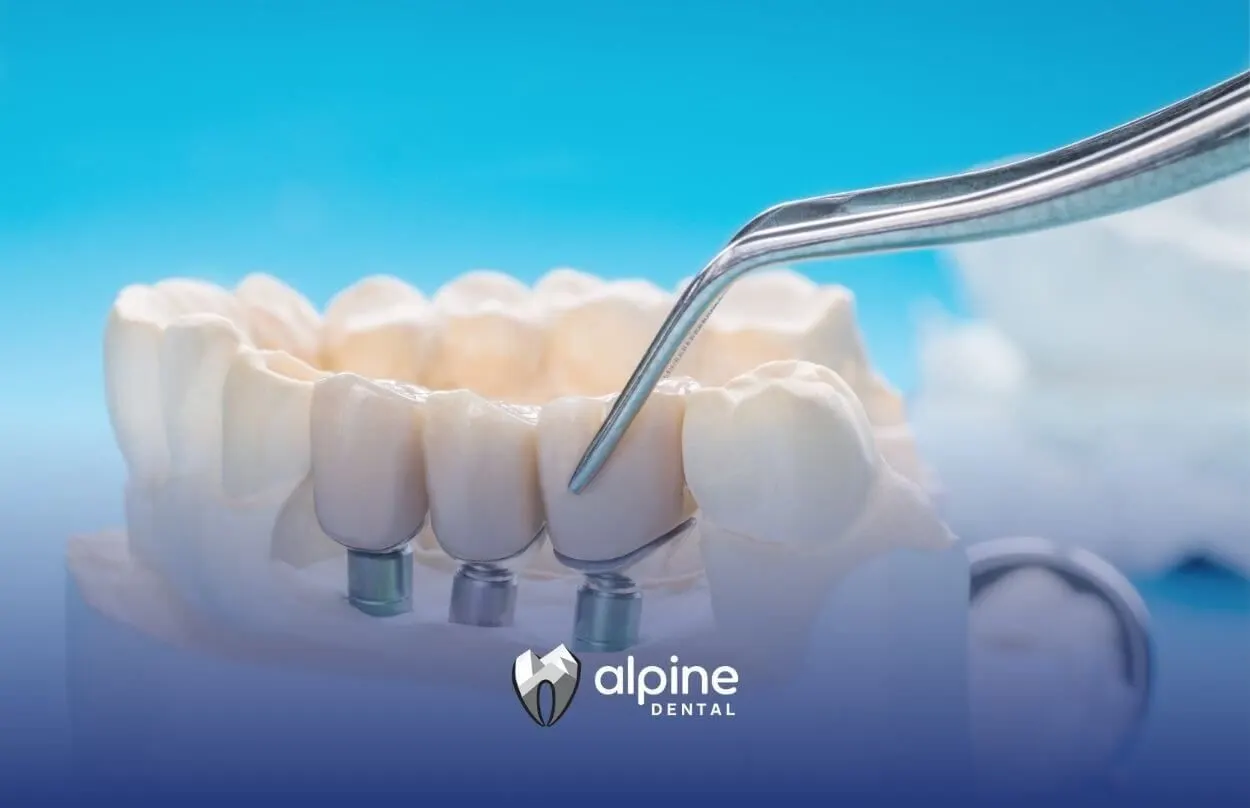
This is the implant most people picture. The ADA describes implants as posts made of titanium and other body-compatible materials, surgically placed in the upper or lower jaw, with a replacement tooth attached once healing is done.
The AAP notes that endosteal implants come in more than one shape, listing "screws, cylinders, or blades surgically placed into the jawbone." The screw form is the usual one.
What makes it work is osseointegration, which StatPearls defines as "direct, rigid attachment of the implant to the bone without any intervening tissue." The bone grows against the post and grips it. The ADA notes that some patients wait up to several months for that to finish before the replacement tooth goes on, while others have the implant and tooth placed in one visit.
The figures behind the preference are real. Alongside the 97 percent mark, StatPearls gives the minimum standard the profession holds implants to: "a success rate of 85% at the end of a 5-year period and 80% at the end of 10 years." An endosteal implant in sound bone clears that comfortably.
The Other Types, and Who They Are For
These come up when an endosteal implant is not possible, and they are much less common.
Subperiosteal implants do not go into the bone. The AAP describes a metal framework with posts that protrude through the gum to hold the implant in place, sitting on the jaw rather than inside it. StatPearls places the framework beneath the periosteum, the membrane covering the bone. The AAP says these are "generally used for patients who are unable to wear conventional dentures" and who do not have enough bone height for an endosteal implant.
Transosteal implants pass through both outer layers of the jawbone rather than one, which is how StatPearls distinguishes them from endosteal implants. They are rarely used now.
So What Is the Best Type of Dental Implant for You?
Bone decides most of it. The AAP is blunt about this: "a key to implant success is the quantity and quality of the bone where the implant is to be placed." Thin or shrunken bone is the single most common reason a conventional implant is off the table.
Thin bone is not always the end of the conversation. The AAP describes building the site up first, including raising the sinus floor to develop bone in the upper back jaw, where it notes bone is often limited, and the sinus sits close above.
Position matters too. The AAP names the upper back jaw as traditionally one of the most difficult areas for implants, for those same two reasons.
Then there is your health, which can rule out any type. StatPearls separates absolute barriers, including acute illness, uncontrolled metabolic disease, and active infection or disease in the bone or soft tissue, from relative ones, which include diabetes, osteoporosis, heavy grinding or clenching, and some medications, including certain bone-density and cancer treatments. The ADA adds that chronic illnesses such as diabetes may interfere with healing after surgery, and that tobacco use can slow healing.
What "Best" Should Actually Mean to You
A type that integrates and that you can keep clean beats a type that sounds advanced.
The AAP is clear that implants are not maintenance-free: they need "conscientious at-home oral care and regular dental visits," with brushing, flossing, and periodic follow-up to monitor the implant, the teeth, and the gums. An implant can lose the bone holding it the same way a tooth can.
That is also why candidacy comes before type. If your gums are infected or your bone is thin, the useful conversation is about whether an implant is right for you at all rather than which model goes in. And if you are still weighing replacement against a removable option, how implants compare with dentures is the better starting point.
When to See a Dentist
Book an exam before choosing anything. The type you qualify for is visible on an X-ray and in your medical history, not from symptoms, so this is not a decision to make from reading.
If you already have an implant, have it checked if it feels loose or moves at all, if biting on it hurts, if there is discharge or a bad taste around it, or if the gum beside it is red, sore, or bleeding. StatPearls lists mobility, pain on percussion, persistent discharge, and progressive bone loss among the signs of a failing implant, and bone loss is easier to control early than late.
Some situations are emergencies. A StatPearls review on infections of dental origin names fever, facial swelling, difficulty opening the mouth, difficulty swallowing, drooling, and a muffled voice as red flags that an infection has spread, and states that "any indication of potential airway compromise warrants immediate transfer to a facility equipped to manage the airway." If swelling is affecting your breathing or swallowing, go to an emergency room or call 911.
The best type of dental implant is the one your jaw can hold and you can look after, which for most people is a conventional endosteal implant. The other types solve a bone problem rather than offering an upgrade. Ask what your imaging shows, what the published success figures mean for your situation, and what the upkeep involves before you commit to anything.
Alpine Dental serves Lakewood, Jackson, and nearby Ocean County communities.
Call (732) 934-1888 to find out which option your jaw can support.
How Alpine Dental Helps
Dental implants are one of Alpine's services, and the planning visit is where the type question gets settled: imaging shows how much bone there is, the exam shows the state of your gums, and your medical history fills in the rest.
Alpine Dental has treated more than 10,000 patients across our Lakewood and Jackson offices.
If an implant is not the right fit, the ADA's other replacement options, a bridge or dentures, are worth hearing about at the same visit. You can also book an appointment online to visit our Lakewood and Jackson offices.
Frequently Asked Questions
What is the success rate of dental implants?
High, by the published figures. A StatPearls review reports a success rate above 97 percent at ten years, against a professional minimum standard of 85 percent at five years and 80 percent at ten. Those numbers describe implants placed in suitable bone in suitable patients, which is what the planning visit establishes.
What is the difference between endosteal and subperiosteal implants?
Where they sit. An endosteal implant goes into the jawbone, which the AAP describes as screws, cylinders, or blades placed surgically into it. A subperiosteal implant sits on the jaw instead, as a framework with posts coming through the gum, and the AAP reserves it for patients without enough bone height for the usual approach.
Will I need a bone graft before an implant?
Only if your bone cannot hold one as it is. The AAP calls bone quantity and quality key to implant success and describes building up a site beforehand, including raising the sinus floor in the upper back jaw. Imaging answers this before any decision is made.
How long does getting an implant take?
It varies more than most procedures. The ADA says some patients wait up to several months for the implant to integrate with the bone before the replacement tooth is attached, while others receive the implant and the tooth in a single visit. Which applies to you depends on your bone and the site.
SOURCES:
- https://www.perio.org/for-patients/periodontal-treatments-and-procedures/dental-implant-procedures/
- https://www.ncbi.nlm.nih.gov/books/NBK470448/
- https://www.ncbi.nlm.nih.gov/books/NBK542165/
- https://www.mouthhealthy.org/all-topics-a-z/implants
- https://www.mouthhealthy.org/all-topics-a-z/missing-teeth