
Dental Health
Can Misaligned Teeth Be Fixed? Real Solutions Explained
By Dr. Nathan "Nachi" Gobioff, DMD · July 16, 2025 · 7 min read
Can misaligned teeth be fixed? Explore treatment options, how long results take, what research reveals about gum health, and when to visit a dentist for care.
Last Updated: November 08, 2026
Yes, misaligned teeth can usually be fixed. Braces or clear aligners can move teeth into better positions, while veneers and bonding can make teeth look straighter without moving them. Which option fits depends on whether your concern is how your teeth look or how your upper and lower teeth meet when you bite. Many cases are mild enough that treatment is a choice, not a necessity, so the first step is an exam.
Why Teeth Become Misaligned
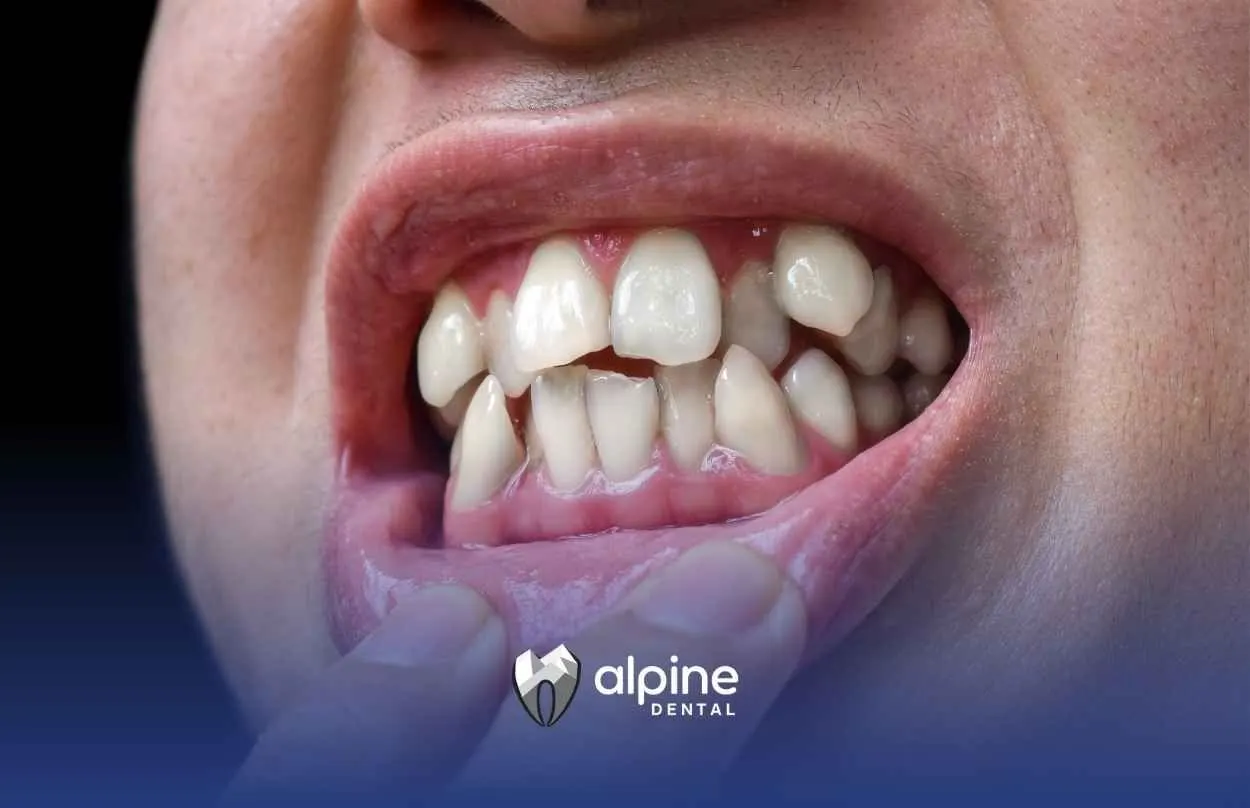
Dentists call teeth that do not line up properly malocclusion, which means the upper and lower teeth do not fit together well. The most common cause is heredity. Jaw size and tooth size run in families, and a jaw that is too small for the teeth leads to crowding.
Other causes include childhood habits such as thumb sucking, tongue thrusting, and long use of a pacifier or bottle. Extra, missing, impacted (stuck under the gum), or oddly shaped teeth can also change the fit, as can poorly fitting dental work or a jaw injury that heals out of position. In children, losing a baby tooth too early can let nearby teeth drift into the gap and cause crowding.
Do Misaligned Teeth Need to Be Fixed?
Not always. Very few people have perfectly aligned teeth, and MedlinePlus, the National Library of Medicine's health site, says most alignment problems are minor and need no treatment. Treatment makes more sense when the problem causes trouble, such as discomfort when biting or chewing or, rarely, a lisp. For moderate or severe cases, correction can make teeth easier to clean and lower the strain on teeth, jaws, and muscles.
Gum health deserves a careful answer. People often say straighter teeth mean healthier gums, but a 2008 systematic review in the Journal of the American Dental Association found no reliable evidence that orthodontic treatment improves gum health, and weak evidence of small harmful effects on the tissues around the teeth. An orthodontist is a dentist who specializes in the bite and alignment of teeth, and orthodontic treatment is the tooth-moving care they provide. The evidence is weak either way, so treat this as an open question. Brushing and flossing matter whether or not your teeth are straight.
How Misaligned Teeth Can Be Fixed
Options That Move Teeth
Braces and clear aligners are the main tools orthodontists use to guide teeth into better positions. Braces attach small brackets to the teeth, and wires or springs apply steady pressure to move them. Clear aligners are wire-free trays that can work for some people, but not for everyone. If crowding is severe, removing one or more teeth may be needed to make room. Surgery to reshape the jaw is rare and reserved for severe cases.
How long it takes depends on how much correction is needed. MedlinePlus puts treatment at about 6 months to 2 years or more. It works best in children and teens because their bones are still soft and their teeth move more easily. Adults often do well too, but they may need braces or other devices for longer.
Options That Change How Teeth Look
Porcelain veneers are thin, custom-made coverings for the front of teeth. The American Dental Association (ADA) says they can improve the look of teeth that are chipped, stained, crooked, or misshapen, and they can hide gaps. They cover the tooth, so they do not move it.
Veneers have trade-offs. Some enamel, the hard outer layer of the tooth, must be removed, so the change cannot be undone. Decay or gum disease has to be treated first, and veneers can chip, crack, or wear down. They may not suit people who grind or clench their teeth or have a deep overbite. Insurance often treats them as cosmetic care, so ask about coverage before you decide.
MedlinePlus lists other ways to deal with rough or irregular teeth: adjusting them, reshaping them, bonding them, or capping them with a crown. Bonding means shaping a tooth-colored material onto the tooth. Like veneers, these approaches change how a tooth looks rather than moving it.
Why Retainers Matter After Treatment
Teeth tend to drift back toward where they started once treatment ends. The ADA says retainers preserve and stabilize the results of orthodontic treatment. A 2016 systematic review in Progress in Orthodontics reports that wearing retainers indefinitely is now widely accepted as the way to limit both relapse and age-related crowding of the lower front teeth. Your dentist will tell you how long to wear yours and how often to have it checked.
Be Careful With At-Home Aligners
Aligners sold directly to consumers can seem simple, but the ADA warns that moving teeth without knowing the whole picture can lead to bone loss, lost teeth, receding gums, bite problems, and jaw pain. A dentist uses X-rays to confirm that teeth and gums are healthy enough to move, and that cannot be done at home. In October 2026, the FDA warned that it has not authorized clear aligners marketed directly to consumers without supervision by a dentist or orthodontist, according to ADA News. If you want aligners, start with an in-person exam.
When to See a Dentist
Book a visit online with us if you notice any of these:
- Pain or difficulty when you bite or chew
- Trouble speaking clearly, such as a lisp
- Teeth so crowded or overlapped that you cannot clean between them
- Mouth breathing, or a bite that does not close properly
- New pain, jaw pain, bite changes, or new gaps after using aligners, whether prescribed or bought online
- New pain or other symptoms during orthodontic treatment
For children, ask about alignment early. Long thumb sucking or pacifier use can narrow the upper jaw and change the bite. The American Academy of Pediatric Dentistry says dentists can help parents guide children to stop by about age 3, and it suggests an earlier evaluation when adult teeth come in out of place or get stuck. A baby tooth lost early is also worth a check.
Not sure who to see first? Our guide to whether you need a general dentist or an orthodontist explains the difference.
How Alpine Dental Helps
Alpine Dental has treated more than 10,000 patients. For misaligned teeth, Alpine's services include porcelain veneers, crowns, and broken and chipped tooth repair, and the services page also lists clear braces. Ask at your visit whether your situation can be treated in the office or whether you need an orthodontist. Bring questions about how long each option takes, what follow-up care it needs, and what it will cost. Alpine has offices in Jackson and Lakewood, and their pages have the address and details.
So, can misaligned teeth be fixed? In most cases, they can, and the right route depends on whether you want your teeth moved, made to look straighter, or left alone. An exam and a clear written plan are the best starting point. Ask what each option involves, how long it takes, and what follow-up care it needs.
Alpine serves patients in Lakewood, Jackson, and nearby Ocean County communities. Call (732) 934-1888 to talk through your options.
Frequently Asked Questions
Can adults fix misaligned teeth?
Yes. The ADA says orthodontists can help people of any age, and many adults seek treatment for long-standing problems. MedlinePlus adds that adults often do well but may need braces or other devices for longer than children.
How long does it take to fix misaligned teeth?
MedlinePlus says treatment can last from about 6 months to 2 years or more, depending on how much correction is needed. Children and teens often respond faster because their teeth move more easily, while adults may need longer. Retainer wear continues after the active phase ends.
Can crooked teeth be fixed without braces?
Partly. Veneers, bonding, and crowns can improve how crooked or misshapen teeth look, but they do not move teeth. A dental exam can show whether your concern is only appearance or also how your teeth fit together.
SOURCES:
- https://medlineplus.gov/ency/article/001058.htm
- https://www.mouthhealthy.org/all-topics-a-z/orthodontics
- https://www.mouthhealthy.org/all-topics-a-z/veneers
- https://www.mouthhealthy.org/all-topics-a-z/diy-dentistry
- https://adanews.ada.org/ada-news/2026/october/fda-warns-public-about-unauthorized-directtoconsumer-clear-aligners/
- https://www.aapd.org/assets/1/7/G_DevelopDentition1.PDF
- https://pubmed.ncbi.nlm.nih.gov/18385025/
- https://link.springer.com/article/10.1186/s40510-016-0137-x