
Dental Health
Empower Your Oral Health: Understanding General Dentistry Services
By Dr. Nathan "Nachi" Gobioff, DMD · March 25, 2025 · 11 min read
Discover general dentistry services and boost your oral health with regular check-ups and cleanings.
Introduction
Most people know they should see a dentist twice a year. Far fewer know what actually happens during those visits, what problems are being caught, or why a thirty-minute cleaning today can prevent a two-hour procedure three years from now.
That gap in understanding costs patients real money and real comfort. In our Lakewood and Jackson offices, we regularly meet patients who waited until something hurt before calling us. By that point, a cavity that could have been treated with a simple filling has reached the nerve, and the conversation shifts from prevention to root canal treatment.
This guide breaks down exactly what general dentistry services include, what to expect at each stage of life, and how to use routine care to stay ahead of problems instead of chasing them.
What General Dentistry Services Actually Cover
General dentistry is the foundation of oral healthcare. A general dentist is your primary care provider for the mouth: the clinician who monitors your teeth and gums over time, catches problems early, treats the majority of them in-house, and refers out only when a specialist is genuinely needed.
The scope is broader than most patients expect. It generally falls into three categories.
Preventive Care: Stopping Problems Before They Start
Preventive services are the backbone of general dentistry. These include comprehensive exams, professional cleanings, digital X-rays, oral cancer screenings, fluoride treatments, and dental sealants.
The purpose is not just to polish teeth. A cleaning removes hardened tartar that no toothbrush can reach, and the exam that comes with it is a full diagnostic check: soft tissue, bite alignment, existing restorations, gum pocket depth, and early signs of decay that are still invisible to the patient.
We frequently spot small interproximal cavities on X-rays during routine visits, long before the patient feels anything. Treating one of those at the filling stage takes a single short appointment. Waiting until it becomes symptomatic often means a crown, a root canal, or both.
Restorative Care: Repairing Damage That Has Already Happened
When decay, fracture, or wear has already set in, restorative dentistry brings the tooth back to function. This category includes tooth-colored fillings, crowns, bridges, dentures, broken and chipped tooth repair, root canal therapy, and dental implants.
Restorative work is not a failure of prevention. Teeth crack, old fillings wear out, and accidents happen. What matters is treating the damage promptly so a repairable tooth stays repairable.
Urgent and Same-Day Care
Not every dental problem waits for an opening three weeks out. Swelling, a knocked-out tooth, a lost crown before a wedding, or pain that wakes you up at night all fall under dental emergency care.
Modern general practices increasingly handle these in a single visit. With in-office milling and 3D imaging, same-day dentistry lets patients walk out with a permanent crown rather than a temporary and a return appointment. For parents juggling school pickups and for working adults who cannot take three afternoons off, that difference is significant.
What Actually Happens During a Routine Dental Visit
Patients who understand the sequence of a visit tend to be far less anxious during it. Here is the typical structure.
The Examination and Digital X-Rays
The visit usually opens with imaging if you are due. Digital X-rays expose patients to a fraction of the radiation of older film systems and produce images the dentist can enlarge and review with you on screen.
The dentist then examines each tooth, checks existing restorations, measures gum pockets, evaluates your bite, and screens the tongue, cheeks, palate, and throat for abnormalities. This oral cancer screening takes about two minutes and is one of the most valuable things that happens in the chair.
The Professional Cleaning
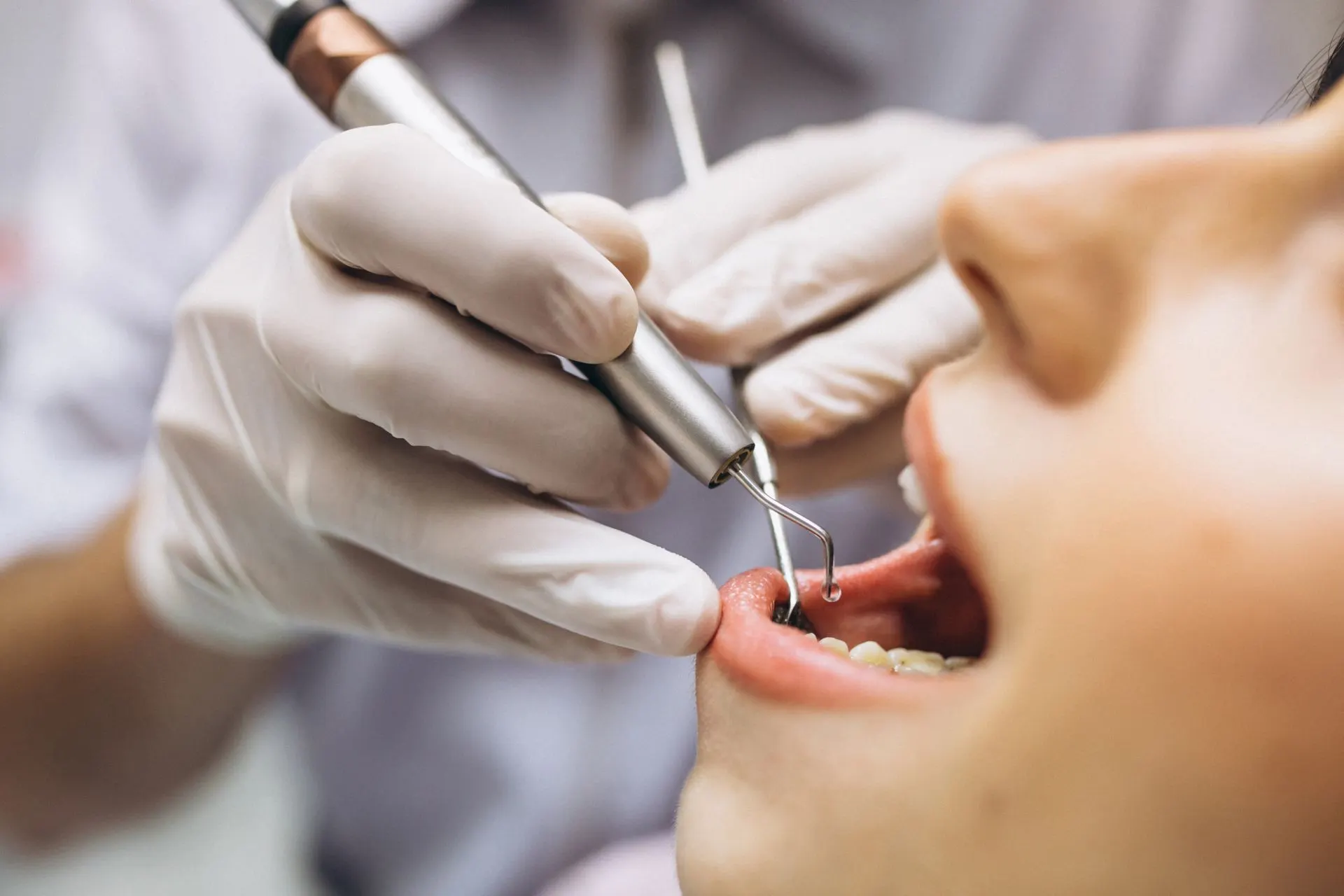
A hygienist removes plaque and tartar using hand scalers and ultrasonic instruments, working along the gumline where buildup causes the most damage. Teeth are then polished with a mildly abrasive paste, flossed thoroughly, and often treated with fluoride varnish.
Patients who brush and floss consistently notice their cleanings get faster and more comfortable over time. Patients who have skipped a few years should expect a longer appointment, and sometimes a deeper cleaning across two visits if gum disease is present. That is normal, and it is not a reason to keep postponing.
The Conversation at the End
The most underused part of the visit is the discussion that follows. This is where you find out what the dentist saw, what is being watched, and what can wait.
We encourage patients to ask three specific questions: What did you see that concerns you? What is the consequence of waiting on it? And what would you do if this were your mouth? Those questions turn a passive appointment into a shared decision.
General Dentistry at Every Stage of Life
Oral health needs shift considerably from childhood through the senior years.
Children and Growing Families
The American Academy of Pediatric Dentistry recommends the first dental visit by a child's first birthday, or within six months of the first tooth appearing. Early visits are short, gentle, and largely about establishing comfort and a baseline.
Through the school years, the two highest value preventive tools are dental sealants and fluoride. Sealants coat the deep grooves of permanent molars, which are nearly impossible for a child to brush effectively. In our experience, families who commit to sealants when the six-year and twelve-year molars come in see markedly fewer fillings through adolescence.
Parents also carry more influence than they realize. Children who watch a parent handle dental visits calmly tend to arrive relaxed. Children who hear the visit described as something to survive tend to arrive braced for it.
Adults With Specific Dental Needs
Adults come to general dentistry with a wide range of situations: pregnancy, diabetes, orthodontic history, acid reflux, night grinding, dry mouth from medication, or years of avoiding care after a bad experience.
Each of these changes the treatment plan. Patients with diabetes need tighter recall intervals because gum disease and blood sugar control influence each other in both directions. Patients who grind need a nightguard before the enamel wear becomes structural. Patients with reflux need enamel erosion monitored on a defined schedule.
We also see a steady number of adults returning after a decade or more away from the dentist, usually because of anxiety or cost. Those visits work best when we sequence care: stabilize what is urgent, plan the rest in phases, and rebuild trust before anything elective. Cosmetic work like porcelain veneers comes last, once the foundation is healthy.
Seniors
Older adults today keep their natural teeth longer than any previous generation, which changes the care picture entirely. The common issues are root decay on exposed root surfaces, dry mouth from medication, worn or failing restorations placed decades ago, and denture or implant maintenance.
Dry mouth deserves particular attention. Saliva is the mouth's natural defense system, and dozens of common prescriptions reduce it. When we see a sharp uptick in decay in a patient who has not changed their habits, a new medication is often the explanation. The fix is usually manageable: prescription fluoride, saliva substitutes, more frequent recalls, and a conversation with the prescribing physician.
For seniors and their adult children managing care, transportation and scheduling matter as much as clinical planning. Consolidating treatment into fewer, longer visits is often the difference between a plan that gets completed and one that stalls.
When General Dentistry Turns Into Restorative Treatment
Certain treatments sit at the boundary between routine and complex care. Knowing what triggers each one helps you recognize when to call.
Chipped and Broken Teeth
A chip that catches your tongue is not cosmetic. It is a rough edge that collects plaque and can propagate into a larger fracture. Small chips are typically repaired with composite bonding in one visit. Larger fractures may need a crown.
If a piece breaks off, save it in milk or saliva and call the office. Sensitivity to cold or air after a fracture suggests the break has reached dentin, which raises the urgency.
Root Canal Treatment
Root canal therapy treats infection inside the tooth's pulp chamber. The signals are lingering pain after hot or cold exposure, pain when biting down, a pimple-like bump on the gum, or darkening of a single tooth.
The procedure has a worse reputation than it deserves. With modern anesthesia and rotary instrumentation, most patients report the appointment felt comparable to having a filling placed. The pain they remember is the infection, not the treatment.
Dental Implants
An implant replaces the root of a missing tooth with a titanium post that fuses to the jawbone, topped with a custom crown. Implants preserve the bone that otherwise resorbs after tooth loss, and they do not require grinding down the neighboring teeth the way a traditional bridge does.
The decision usually comes down to bone volume, overall health, and timeline. Planning starts with 3D imaging so placement is mapped before any surgery begins.
Porcelain Veneers
Veneers are thin porcelain shells bonded to the front of teeth to correct chips, gaps, stubborn discoloration, or minor misalignment. They are elective, and they work best on a mouth that is already healthy. Any active decay or gum disease gets treated first.
Why Prevention Is the Better Financial Decision
The cost comparison is not close. A routine exam and cleaning is a fraction of the cost of a crown, and dental insurance typically covers preventive visits at or near one hundred percent because insurers understand the math.
We see the pattern constantly: patients who keep their six-month recall spend most of their dental dollars on cleanings, while patients who come only when something hurts spend theirs on crowns, extractions, and replacements. The second group also spends far more time in the chair.
If cost is the barrier rather than time, ask about membership plans and payment options before deferring care. Deferred dental problems do not stay the same size.
Conclusion
General dentistry is not a single service. It is a continuous relationship built around prevention, early detection, and timely repair. Routine exams and cleanings catch decay and gum disease while they are still small. Restorative treatments like fillings, crowns, root canal therapy, and implants bring damaged teeth back to full function. Same-day and emergency care handles the problems that will not wait.
The variable that matters most is consistency. Children benefit from sealants and early comfort with the dental chair. Adults benefit from care plans built around their specific health conditions and habits. Seniors benefit from close monitoring of dry mouth, root decay, and aging restorations. In every case, the patients who do best are the ones who show up before something hurts.
Schedule Your Visit With Alpine Dental
Alpine Dental provides comprehensive general, restorative, and cosmetic dentistry for families across Lakewood, Jackson, and the surrounding Ocean County communities, including Manchester Township. Whether you are booking a first cleaning for your child, catching up after years away from the dentist, or dealing with a tooth that broke this morning, our team will meet you where you are.
We accept most major insurance plans and offer membership and payment options for patients without coverage. Reach out today and take the next step toward a healthier, more comfortable smile.
Frequently Asked Questions
What is included in general dentistry services?
General dentistry services include preventive care such as exams, professional cleanings, digital X-rays, fluoride treatments, sealants, and oral cancer screenings, plus restorative treatments like tooth-colored fillings, crowns, bridges, dentures, root canal therapy, and dental implants. Many general practices also handle dental emergencies and same-day restorations, making them a single point of care for the majority of dental needs across all ages.
How often should I see a general dentist?
Most people should schedule a dental exam and cleaning every six months. Patients at higher risk of oral disease, including smokers, people with diabetes, those with a history of gum disease, and patients with dry mouth from medication, often benefit from visits every three to four months. Children should be seen every six months starting by their first birthday. Your dentist will set your recall interval based on your specific risk factors rather than a fixed rule.
Do I need to see a specialist, or can a general dentist treat my problem?
General dentists handle the large majority of dental care, including fillings, crowns, root canals, extractions, implants, and cosmetic treatments. Referrals to a specialist are typically reserved for complex surgical cases, advanced periodontal surgery, orthodontics, or treatment for young children with significant behavioral or medical needs. The most efficient approach is to start with your general dentist, who can diagnose the issue and tell you whether specialist care is genuinely necessary.
SOURCES:
- https://www.ada.org/resources/ada-library/oral-health-topics
- https://www.mouthhealthy.org/
- https://www.cdc.gov/oral-health/about/
- https://www.nidcr.nih.gov/health-info/tooth-decay
- https://www.aapd.org/resources/parent/faq/
- https://www.nia.nih.gov/health/teeth-and-mouth/taking-care-your-teeth-and-mouth
- https://my.clevelandclinic.org/health/treatments/11187-dental-check-up