
Dental Health
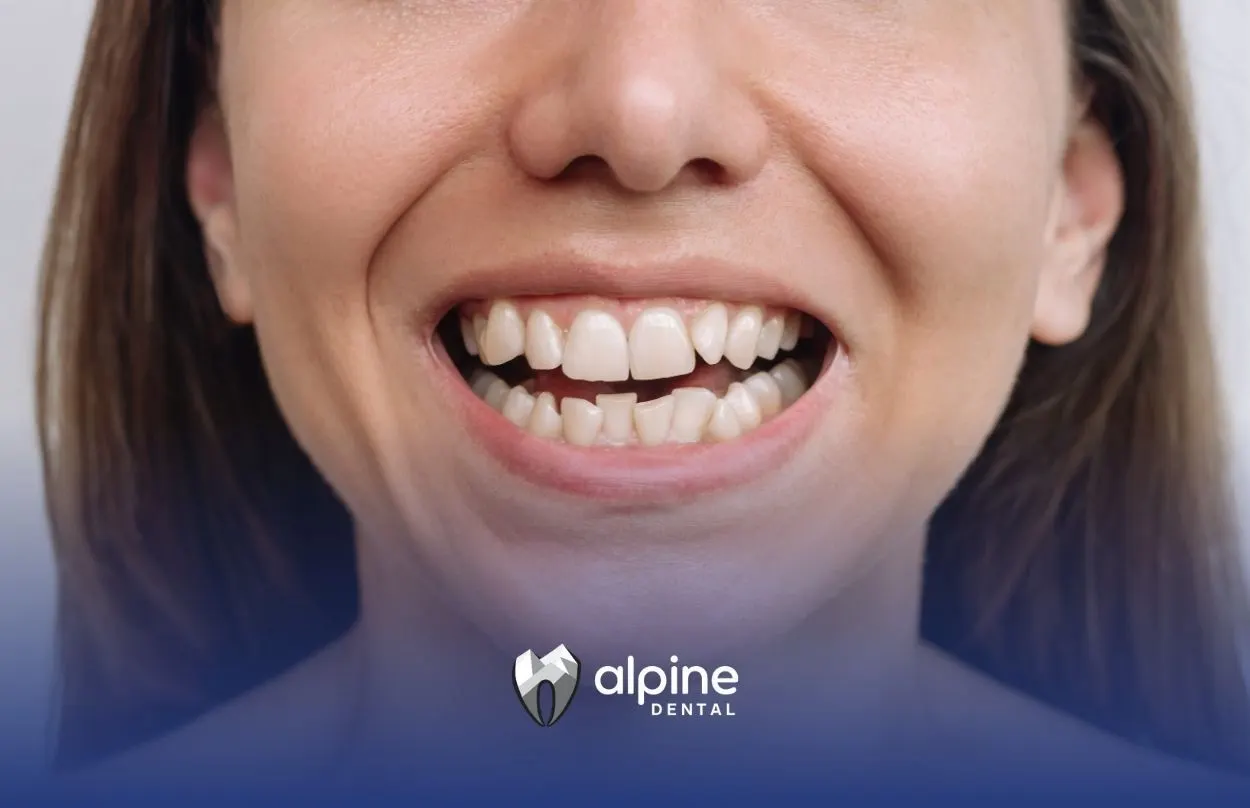
Is It Possible to Restore Bad Teeth?
By Dr. Nathan "Nachi" Gobioff, DMD · July 29, 2025 · 10 min read
Bad teeth can often be restored. Learn all about treatment options for decay, cracks, or missing teeth, and what to expect at Alpine Dental in Lakewood, NJ.
Last Updated: July 29, 2026
Introduction
Most damaged teeth can be restored, and the right treatment depends on how deep the damage goes rather than on how bad the teeth look. Early decay can sometimes be reversed without any drilling at all. A cavity needs a filling. A badly weakened tooth usually needs a crown, an infected one a root canal, and a missing one an implant or a bridge. The honest caveat is that a few teeth are too far gone to save, and finding out which is what an exam is for.
What Decides Whether a Tooth Can Be Saved
How much healthy tooth is left, and whether the nerve inside is still alive. Those two questions sit behind every recommendation below.
NIDCR describes decay as a process rather than an event. Bacteria in plaque turn sugars and starches into acid, and repeated acid attacks draw minerals out of the enamel. At the earliest stage a white spot appears where minerals have been lost, and NIDCR is encouraging about what is possible then: "Tooth decay can be stopped or reversed at this point." Enamel can repair itself using minerals from saliva and fluoride.
Past that point the arithmetic changes. Once the enamel breaks down, NIDCR puts it plainly: "A cavity is permanent damage that a dentist has to repair with a filling." The tooth cannot rebuild itself, and the job shifts from reversing the damage to replacing what was lost.
So "bad teeth" covers a wide range. Some teeth need a cleaning and fluoride. Others need rebuilding. An exam, usually with x-rays, is how a dentist tells those apart, because the extent of decay below the surface is not something you can judge by looking in a mirror.
Ways to Restore Bad Teeth
Fluoride, for Decay Caught Early
Before any drilling, there is a stage where treatment can reverse the problem. NIDCR says fluoride "can even reverse or stop early tooth decay," and that a dentist may apply a gel or varnish, prescribe tablets, or recommend a rinse if more is needed than toothpaste and tap water provide. This option exists only before a cavity forms, which is the argument for routine checkups.
Fillings, for Cavities
Once there is a cavity, a filling replaces the lost structure. The ADA describes three materials: tooth-colored composite resin, silver-colored amalgam, and gold.
Each has trade-offs the ADA sets out directly. Composite gives "good durability and resistance to fracture in small- to mid-size fillings" and looks more natural. Amalgam "is very durable" and is more affordable than the other two. Gold costs more than amalgam and does not look natural, though the ADA notes it has been used in dentistry "for more than 1,000 years due to its durability."
The choice is not purely clinical. The ADA says your dentist considers materials "on an individualized basis" according to the size and location of the cavity, alongside appearance, how long the filling could last, and insurance and out-of-pocket costs. It also notes you have the right to decide after consulting your dentist. Alpine's dental fillings page covers this work.
Crowns, for Badly Weakened Teeth
When too little tooth remains to hold a filling, a crown covers the whole tooth. The ADA explains that a crown covers a tooth "to help restore it to its normal shape and size" and "can make your tooth stronger and improve its appearance."
It lists several uses: strengthening a tooth with a large filling where not enough tooth is left to hold it, attaching bridges, protecting a weak tooth from breaking, restoring one already broken, covering teeth that are discolored or badly shaped, and covering an implant. Alpine lists crowns and bridges on our services page.
Root Canal Treatment, When the Nerve Is Involved
If decay or a crack reaches the pulp, the soft tissue holding the tooth's nerves and blood vessels, the tooth needs treating from the inside. The American Association of Endodontists describes the procedure as removing the pulp, cleaning and disinfecting the root canals, shaping them, and filling and sealing the space. The goal is to relieve pain and keep the tooth.
This is often the difference between restoring a tooth and losing it, which is why an infected tooth is worth seeing a dentist about quickly rather than waiting.
Veneers, for Appearance
Veneers address how teeth look rather than how much structure they have lost. The ADA describes them as "custom-made, natural-looking coverings" for the front surface of a tooth, in porcelain or composite, and says they can improve teeth that are chipped, broken, stained, crooked or misshapen.
One point the original version of this article left out deserves saying clearly: The ADA states "Treatment is not reversible because tooth enamel is removed to place a veneer." The dentist removes a small amount of enamel from the front and sides to bond it, and that enamel does not come back. The ADA also notes a veneer may chip, crack, wear down or loosen over time and need repair or replacement. Worth weighing if your teeth are damaged rather than simply discolored.
Implants or Bridges, for Missing Teeth
Where a tooth is gone, it is replaced rather than restored. The ADA calls implants "a popular and effective way to replace missing teeth," describing titanium posts placed surgically in the jaw to anchor replacement teeth.
The timeline is longer than people expect. The bone has to grow around the implant, which the ADA says can take "up to several months" before the replacement tooth is attached, though some patients have both done in one visit and a temporary crown or bridge may be worn meanwhile.
Candidacy matters too. The ADA says implants may be an option if you are "in good general health," and that "your health is more of a factor than your age." It notes chronic illnesses such as diabetes or leukemia "may interfere with healing," and that tobacco use can also slow it. The ADA calls implants "an excellent long-term option" and says most patients find them "secure, stable and a good replacement for their own tooth." It does not call them permanent, which is why this post does not either. Our guide to your options for replacing missing teeth compares the alternatives, and Alpine's dental implants page covers the procedure.
What to Expect From Treatment
Restoring several damaged teeth is usually staged rather than done in one appointment. A few practical points that apply across the options above.
Infection and disease come first. A tooth that is infected is treated before anything cosmetic goes on top of it. Putting a crown or veneer over an untreated problem does not address what is underneath.
Some steps take months, not weeks. The implant timeline is the clearest example, with the ADA describing bone growing around the implant over up to several months before the replacement tooth is attached. Custom restorations also take time to make, which is why temporary crowns and bridges exist.
Nothing restored is maintenance-free. The ADA notes a veneer may chip, crack, wear down or loosen over time. Fillings and crowns need checking too. A restored tooth still depends on daily brushing and flossing and on regular visits.
Not every tooth is restorable. Where too little healthy tooth remains, the realistic conversation is about replacement rather than repair. A dentist should tell you that directly, with the options, rather than attempting a restoration unlikely to hold.
When to See a Dentist
Book an exam rather than waiting for a tooth to declare itself. Early decay is reversible and causes no symptoms, so by the time something hurts, the cheapest window has usually closed.
Call promptly if you notice any of these:
- A toothache, which the ADA advises having evaluated by a dentist right away
- Sensitivity to sweet, hot or cold, which can signal decay, a fractured tooth or a worn filling
- A visible hole, a dark spot, or a rough or chipped edge you can feel with your tongue
- A filling or crown that has come out, or a tooth that has broken
- Pain when biting or chewing
- Gums that are red, swollen or bleeding
When It Is Urgent
Some signs mean the same day rather than the next available appointment. Go to an emergency room, or call 911, if you have:
- Difficulty breathing, swallowing or speaking
- Swelling spreading across your face, jaw or neck
- A fever alongside facial swelling
- Bleeding after an injury that does not stop with gentle pressure
The ADA's clinical guidance on dental pain and swelling sets the threshold for urgent care: patients "should be referred for urgent evaluation if their condition worsens, they develop a deep space infection, or sepsis is suspected." The ADA also advises going to a local emergency room if your dental office is closed during an emergency.
How Alpine Dental Helps
Alpine Dental has treated more than 10,000 patients, and restoring damaged teeth is routine work across both offices. We provide dental fillings, root canal treatment, porcelain veneers, dental implants and dentures, and crowns and bridges on our services page.
An exam comes first, usually with x-rays, because what a tooth needs depends on how much healthy structure is left and whether the nerve is still alive. You can see what to expect at our Lakewood office, and bring any questions about which option fits your situation.
Restoring bad teeth is nearly always possible in some form, and the sooner you start the more of your own tooth you keep. Early decay can be reversed, a cavity needs a filling, and the options further along still leave you with a working tooth or a solid replacement. The one thing that does not help is waiting to see whether it settles.
Alpine Dental serves Lakewood, Jackson and nearby Ocean County communities.
Call (732) 934-1888 or book an appointment online to have your teeth assessed and talk through your options.
Frequently Asked Questions
Can badly decayed teeth be saved?
Often yes, depending on how much healthy tooth remains. A cavity is repaired with a filling, a badly weakened tooth is usually covered with a crown, and decay that has reached the nerve is treated with a root canal. Where too little tooth is left, replacement with an implant or bridge becomes the realistic option.
Can tooth decay be reversed without a filling?
Only at the earliest stage. NIDCR says decay "can be stopped or reversed" while the damage is still mineral loss showing as a white spot, and that fluoride can reverse or stop early decay. Once a cavity has formed, NIDCR describes it as permanent damage needing a filling.
How many visits does it take to restore several teeth?
More than one, in most cases. Custom restorations have to be made before they can be fitted, and implants involve a healing period the ADA describes as taking up to several months before the replacement tooth is attached. Your dentist can sequence the work and tell you which parts are urgent.
Are dental implants permanent?
No, and no reputable source describes them that way. The ADA calls implants "an excellent long-term option for restoring your smile" and notes most patients find them secure and stable, without giving a lifespan. They also need the same daily care and regular checkups as natural teeth.
Do veneers fix damaged teeth?
They improve appearance rather than restore lost structure, and the trade-off is worth knowing. The ADA states that veneer treatment "is not reversible because tooth enamel is removed." For a tooth that is weakened rather than just discolored, a crown or filling usually does the structural job instead.
SOURCES:
- https://www.nidcr.nih.gov/health-info/tooth-decay/more-info/tooth-decay-process
- https://www.mouthhealthy.org/all-topics-a-z/dental-filling-options
- https://www.mouthhealthy.org/all-topics-a-z/crowns
- https://www.mouthhealthy.org/all-topics-a-z/veneers
- https://www.mouthhealthy.org/top-dental-symptoms
- https://www.aae.org/patients/root-canal-treatment/