
Last Updated: November 14, 2026
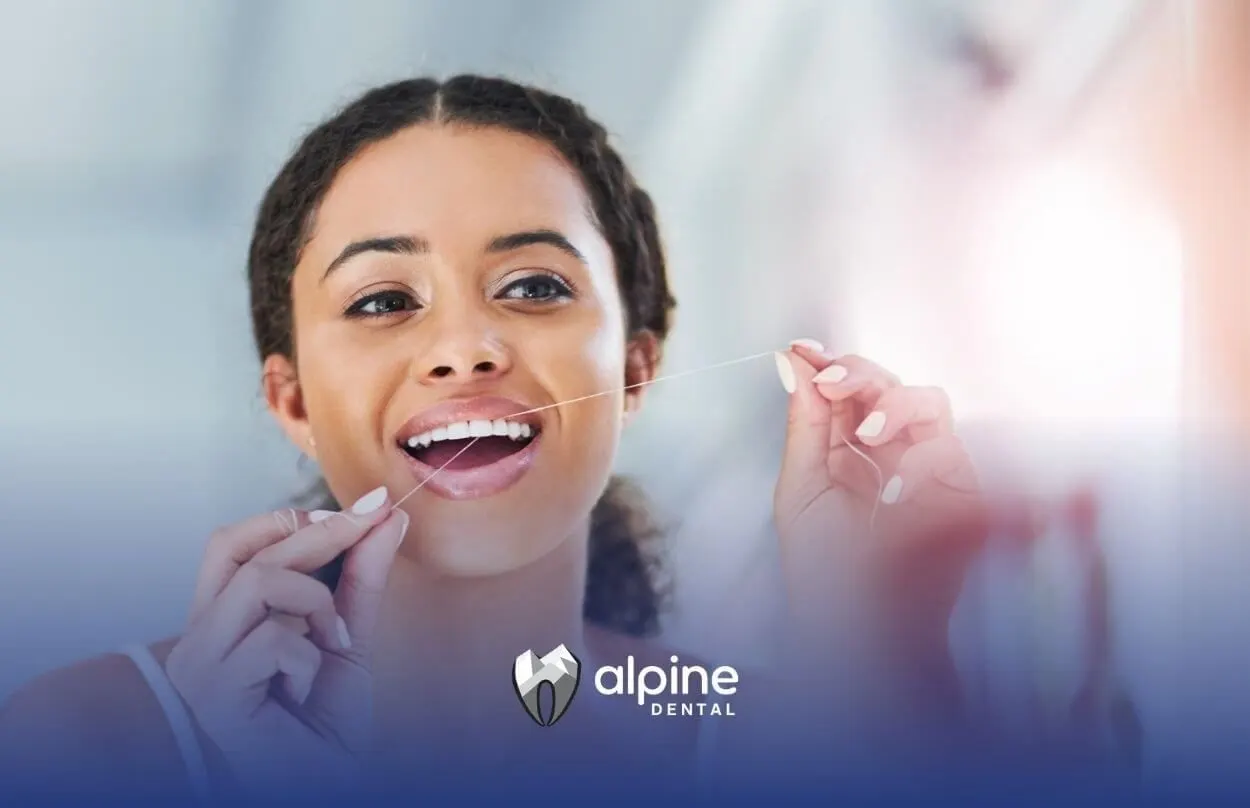
The best order is to floss first, brush second, and use mouthwash last. Better still, use the mouthwash at a different time of day, so it doesn't rinse away the fluoride your toothpaste just left on your teeth.
Here is the whole routine, start to finish:
- Floss (or use an interdental brush or water flosser) to loosen plaque and food from between your teeth.
- Brush for two minutes with a fluoride toothpaste.
- Spit out the foam, but don't rinse with water.
- Use mouthwash, if you use one, ideally at another time of day, such as after lunch.
The sections below explain each step, what the research says, and what changes for children and for anyone wearing braces.
Why Floss Comes Before Brushing
The American Dental Association says either order is acceptable as long as the cleaning is thorough. What matters most is that you clean between your teeth once a day and brush twice a day. If brushing first is the only way you'll actually floss, keep doing it that way.
If you're choosing, though, the evidence leans toward flossing first. In a 2018 randomized trial published in the Journal of Periodontology, 25 people cleaned their teeth both ways in two separate phases, using fluoride toothpaste each time. When they flossed first, significantly more plaque came off between the teeth and across the mouth overall. More fluoride also stayed between the teeth afterward.
The reason is simple. Floss loosens plaque and debris in the gaps a toothbrush can't reach. Brushing afterward sweeps that loosened material out and gets fluoride into the spaces you've just cleared. It was a small study, and the American Academy of Periodontology, which publishes the journal, stressed that doing both every day matters more than the sequence.
Floss isn't the only tool for the job. The ADA counts interdental brushes, wooden or plastic picks, and powered water flossers as interdental cleaners too. Whichever one you'll use every day is the right one.
Why You Shouldn't Rinse Right After Brushing
Brush twice a day for two minutes with fluoride toothpaste; the ADA notes that two minutes is what achieves clinically significant plaque removal. When you're done, spit out the excess and stop there.
The American Academy of Pediatrics explains why: rinsing with water right after brushing washes away the coating of fluoride that is working to strengthen your teeth. Its advice is written for children, but the chemistry is the same for adults. A thin film of toothpaste left on your teeth is doing its job.
Where Mouthwash Fits, and How Long to Wait
Mouthwash is optional. The ADA says it is not a replacement for daily brushing and flossing, though it can help by reaching places a toothbrush doesn't easily get to. The ADA treats rinsing before or after brushing as largely a matter of preference. It also points out that some toothpaste ingredients can bind with fluoride and weaken a fluoride rinse. If your products carry specific directions, follow the label.
British public health guidance goes a step further. The NHS advises against using any mouthwash, even a fluoride one, straight after brushing, because it washes away the concentrated fluoride from your toothpaste. It suggests rinsing at a different time instead, such as after lunch, and not eating or drinking for 30 minutes after a fluoride mouthwash.
In practice, that gives you two good options:
- Simplest: floss, brush, spit, and save the mouthwash for after lunch or another meal.
- If you prefer one routine at the sink: floss, brush, then mouthwash last, and avoid eating or drinking for 30 minutes afterward if it contains fluoride.
Not every mouthwash does the same thing. The ADA separates cosmetic rinses, which freshen breath for a while, from therapeutic rinses with active ingredients that help control plaque, gingivitis, bad breath or tooth decay. It suggests looking for the ADA Seal of Acceptance, and an alcohol-free rinse if your mouth tends to be dry. Our guide to choosing the right mouthwash covers the different types.
What Changes for Children
The order stays the same for kids. The amounts and the mouthwash rule are what change.
- Toothpaste: the ADA recommends a smear the size of a grain of rice for children under 3, and a pea-sized amount from age 3.
- Spitting: help or supervise until your child can reliably spit out the extra toothpaste. The American Academy of Pediatrics says most children need help brushing until about age 8.
- Mouthwash: the ADA does not recommend mouthwash for children under 6 unless a dentist advises it, because young children can swallow large amounts by accident.
What Changes with Braces
Braces make every step slower and every step more important, because brackets and wires trap food. The American Association of Orthodontists recommends flossing at least once a day, ideally before brushing, and brushing for two minutes after every meal or snack. When you can't brush right away, rinse with water as a stopgap.
Regular floss is hard to work under a wire. The AAO suggests floss threaders, orthodontic flossers, interdental brushes or a water flosser instead. The ADA adds that a powered toothbrush may be easier for people with braces.
The AAO also recommends a daily fluoride rinse during treatment, especially before bed, to help prevent white marks on the enamel around the brackets. That fits the rule above: brush after dinner, then rinse at bedtime.
If you're thinking about straightening your teeth, clear braces are among the treatments Alpine Dental offers.
When to See a Dentist
A good routine at home keeps plaque under control between visits, but it isn't a substitute for them. The American Academy of Periodontology recommends a comprehensive gum evaluation every year, alongside daily flossing and twice-daily brushing. Gums that bleed when you floss are worth mentioning to your dentist. Our post on the difference between gingivitis and periodontitis explains what bleeding can mean.
Conclusion
When it comes to flossing, brushing, and mouthwash, consistency matters more than getting the order perfect. Flossing first, brushing with fluoride toothpaste, and saving mouthwash for another time of day can help you get the most out of your daily routine. The goal is to keep your teeth and gums healthy with habits you can stick to.
Alpine Dental has offices in Lakewood and Jackson, and you can see cleanings and the rest of our services on our services page. If you don't have dental insurance, Alpine's membership plan gives straightforward discounts on every procedure. It isn't insurance and can't be combined with it.
Call (732) 934-1888 or book a cleaning at our Lakewood or Jackson office, and bring your questions about your routine to the visit.
Frequently Asked Questions
Should I floss before or after brushing?
Before, if you can. The ADA accepts either order, but a 2018 trial in the Journal of Periodontology found that flossing first removed more plaque between the teeth and left more fluoride there.
Can mouthwash replace flossing?
No. The ADA says mouthwash is an addition to brushing and flossing, not a substitute for either.
How long after brushing should I use mouthwash?
Ideally at a different time of day, such as after lunch, so the toothpaste's fluoride stays on your teeth. If you use a fluoride mouthwash, the NHS advises not eating or drinking for 30 minutes afterward.
Can kids use mouthwash?
The ADA does not recommend it for children under 6 unless a dentist advises it.
SOURCES:
- https://www.ada.org/en/resources/research/science-and-research-institute/oral-health-topics/floss
- https://www.ada.org/resources/research/science/oral-health-topics/toothbrushes/
- https://www.ada.org/resources/ada-library/oral-health-topics/mouthrinse-mouthwash
- https://www.perio.org/press-release/new-study-suggests-the-ideal-sequence-for-removing-plaque/
- https://aaoinfo.org/blog/should-i-floss-or-brush-first/
- https://www.nhs.uk/live-well/healthy-teeth-and-gums/how-to-keep-your-teeth-clean/